


Cart
0
Waking up itchy or spotting small, jumping insects on your bedding can be alarming — and unfortunately, it may mean you have fleas in your bed. These tiny pests thrive in warm environments and can quickly multiply, especially if your pets share your bed. Fleas can cause skin irritation, allergic reactions, and restless nights, but the good news is that they’re completely manageable once you know what to look for and how to act fast.
In this guide, you’ll learn how to identify the signs of fleas in your bedding, the best ways to eliminate them, and practical tips to prevent them from returning — so you can get back to clean, peaceful sleep.
Key Takeaways
Fleas can live and breed in bedding and mattresses, particularly if pets sleep there.
Common indicators include itchy red bites, tiny black flea dirt, and small white eggs.
Thorough cleaning, hot water washing, and treating pets are essential steps to remove fleas.
Prevent reinfestation with regular cleaning, pet care, and protective bedding.
If your mattress is badly infested, consider upgrading to a clean, supportive one from Beds Online Shop.
Recognising the Signs of Fleas in Your Bed
Flea Bites on Your Skin
The first sign of fleas often shows up on your skin. Flea bites usually appear as small, red bumps clustered together, commonly around the ankles, legs, or other exposed areas. They are extremely itchy and can cause discomfort, especially at night. If you notice bites appearing after sleep, it’s a good indication that fleas may be sharing your bed.
Flea Dirt and Feces
Tiny black or brown specks on your bedding, often mistaken for dust or dirt, could actually be flea feces — also called flea dirt. When dampened, this “dirt” turns reddish-brown because it’s made of digested blood. Flea dirt can collect on sheets, in mattress seams, and around your pet’s favourite sleeping spot.
Flea Eggs and Larvae
Flea eggs are minuscule white specks, about the size of a grain of salt, and often found in clusters in bedding or carpets. Once hatched, larvae resemble small white worms that hide deep in soft furnishings. Fleas often lay eggs on pets, which later drop off onto your bed or sofa, creating an infestation cycle.
Seeing Adult Fleas
Adult fleas are visible to the naked eye, roughly 3mm long, flat, and dark brown. They move quickly and can jump several inches, making them hard to catch. If you spot them on your bedding or furniture, you’re dealing with an active infestation.
Pets Scratching Frequently
If your dog or cat has been scratching more than usual or seems restless, check their fur for fleas. Pets can easily transfer fleas to your bedding and furniture. If they sleep on your bed, it’s vital to treat both your pets and your sleeping area at the same time.
How to Get Rid of Fleas in Your Bed
Wash Bedding in Hot Water
Start by stripping your bed and washing all bedding — including sheets, pillowcases, duvets, and blankets — in hot water above 60°C. This temperature kills fleas, eggs, and larvae effectively. Dry your items on high heat to ensure all stages of fleas are eliminated. Don’t forget to wash your pet’s bedding at the same time to prevent reinfestation.
Vacuum Thoroughly
Vacuum your mattress, headboard, bed frame, and surrounding areas like rugs or carpets. Fleas love to hide in small crevices, seams, and under furniture. Once finished, empty your vacuum outdoors to prevent any surviving fleas from returning inside.
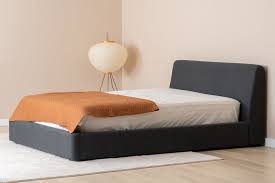
If you have an upholstered bed, make sure to clean every surface carefully. For inspiration or a fresh start, browse our range of upholstered bed frames, designed for both comfort and easy maintenance.
Steam-Clean the Mattress
A steam cleaner is a powerful tool for killing fleas at all life stages. The high heat penetrates deep into mattress layers and fabrics where vacuuming can’t reach. If your mattress is heavily infested or shows signs of damage, it may be time to replace it with a fresh, hygienic option from our mattresses collection.
Treat Your Pets
Since pets are the main carriers of fleas, treating them is essential. Consult your vet for recommended flea treatments — whether it’s a topical solution, oral medication, or flea collar. Make sure to also clean their bedding and sleeping spaces regularly.
Clean and Treat the Bedroom
After cleaning your bedding and mattress, use a flea-control spray or powder on carpets, rugs, and furniture. If you have fabric or upholstered furniture in your bedroom, you can also deep-clean it to ensure no larvae remain. Explore our furniture collection for pieces that complement a clean and comfortable space.
Replace or Refresh Your Bed Setup
If you’re struggling with an old or damaged bed, consider refreshing your entire setup. A new divan bed or ottoman bed provides extra storage space while helping you start fresh in a cleaner, flea-free environment. For added comfort, pair it with a stylish headboard and browse our fabric swatches to match your bedroom décor.
Preventing Fleas from Coming Back
To prevent fleas from returning, regular cleaning is key. Wash your bedding weekly, vacuum frequently, and groom your pets to remove any stray fleas or eggs. Using natural deterrents like cedar chips or diatomaceous earth can also help repel fleas naturally.
For long-term prevention, inspect any second-hand furniture or fabrics before bringing them into your home, and keep your pet’s sleeping area clean. You might also consider upgrading to a trundle or day bed for guest rooms, as they’re easier to clean and maintain.
And don’t forget to visit our clearance section for great deals on new beds and accessories — a perfect opportunity to start fresh with a cleaner, more comfortable sleeping setup.
FAQs
How can I tell if there are fleas in my bed?
Look for tiny black specks (flea dirt), white eggs, or jumping insects on your sheets and mattress. If you or your pets develop itchy red bites, it’s likely fleas have made their way into your bed.
Can fleas live inside mattresses?
Yes. Fleas can burrow into the seams of mattresses, feeding and laying eggs. Regular vacuuming, steam cleaning, and using protective covers can help eliminate and prevent them.
Will washing my bedding once remove all fleas?
Washing in hot water kills most fleas and eggs, but to completely break the cycle, you’ll need to vacuum, steam-clean, and treat your pets simultaneously.
Should I replace my mattress after a flea infestation?
If fleas have deeply infested your mattress or caused damage, replacing it is often the best solution. Explore our selection of mattresses for a hygienic, supportive upgrade.
Summary
Finding fleas in your bed can be stressful, but with proper cleaning, pet care, and preventative steps, you can eliminate them and keep your bedroom healthy and comfortable. Regular maintenance and vigilance are key to ensuring fleas never return.
If your mattress or bed has been compromised, consider starting anew with one of our premium mattresses, divan beds, or ottoman beds from Beds Online Shop. You can also refresh your space with elegant upholstered bed frames, headboards, and stylish furniture.
With the right care and a fresh sleeping setup, you can rest easy knowing your home is clean, comfortable, and completely flea-free.


